



Is a Deep Tissue Massage in Woodbridge Right for You?
Most people think massage is just about relaxation. An hour on the table, some soothing music, then back to life. But deep tissue work isn't that. It goes after the layers most sessions never touch — the knots that don't release with lighter pressure, the tension patterns built over years, the compensation your body learned after an old injury. If you're dealing with chronic pain or restricted movement, this might be the approach that actually moves the needle. Just don't expect a spa day.
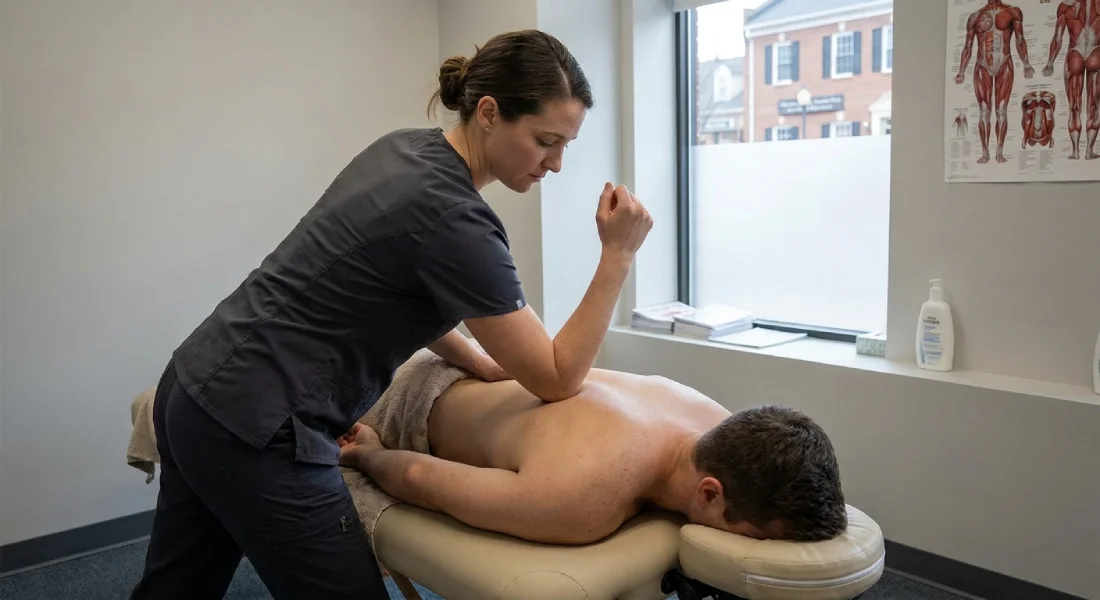
So here's the reality. If you're considering deep tissue massage in Woodbridge, you need to understand what you're signing up for. Every session should have a purpose. Every stroke should target something specific. And every treatment decision should be grounded in what your body actually needs — not just what feels good in the moment.
When Surface Work Misses the Mark
Standard massage techniques work beautifully for stress relief and general wellness. But when pain runs deeper — when it's been there for months or years — you need a method that addresses the structural issues underneath. Deep tissue massage uses deliberate, focused pressure to reach connective tissue and muscle layers that superficial strokes can't access. Therapists rely on elbows, forearms, and sustained compression to break through adhesions and restore function.
The difference isn't just intensity. It's intention. We're not chasing temporary relief. We're working to change how tissue behaves, how it moves, and how it responds to stress over time. That takes precision, not just pressure.
The Payoff When You Commit
Deep tissue massage delivers results that lighter modalities often can't match. Especially for individuals who've tried everything else and still wake up stiff. The benefits extend beyond the table and into how you move through your day.
Here's where it makes the biggest difference:
- Chronic pain patterns that don't respond to rest or stretching alone
- Restricted range of motion caused by scar tissue or adhesions
- Postural dysfunction from repetitive work habits or sedentary routines
- Athletic recovery when performance plateaus and soreness lingers
- Tension headaches rooted in neck and shoulder tightness
Who Actually Benefits from This Approach
Deep tissue work isn't a fit for everyone. But if your pain has a history — if it showed up after an injury, built up over years of desk work, or refuses to budge despite other treatments — this could be the missing piece. People who respond best are those willing to engage with discomfort in service of long-term improvement.
You might be a strong candidate if you fall into one of these categories:
- You've dealt with recurring muscle tension that returns within days of lighter massage
- You have documented soft tissue injuries that limit mobility or cause daily discomfort
- You spend hours in positions that strain your neck, shoulders, or lower back
- You train regularly and need more than foam rolling to stay functional
- Your doctor or physical therapist recommended therapeutic massage as part of your care plan
When Caution Beats Curiosity
Want to book a session? You'll need to be honest about your medical history. Deep tissue massage involves significant mechanical force, and certain conditions make that risky. If you have clotting disorders, severe osteoporosis, active inflammation, or you're pregnant, this isn't the time to experiment.
Even if you're cleared medically, personal preference matters. Some people find the pressure unbearable no matter how skilled the therapist. If you're someone who tenses up when discomfort hits, this modality might backfire. Swedish massage could serve you better. There's no virtue in pushing through something that makes your nervous system revolt.
What Happens When You're on the Table
A solid therapist starts with questions, not hands. They'll ask about your pain patterns, your daily routines, past injuries, and what you're hoping to achieve. That conversation shapes everything that follows. Once you're on the table, expect deliberate, methodical work. This isn't a full-body flow. It's targeted intervention on areas that need it most.
You'll feel pressure — sometimes significant pressure. But it should never cross into sharp or intolerable pain. If it does, speak up immediately. Good therapists want your feedback. They adjust depth and angle based on how your tissue responds. Some soreness afterward is normal. It's similar to the feeling after a hard workout. Hydration and rest help your body integrate the work.

How to Choose Someone Who Knows Their Craft
Not all massage therapists are trained in deep tissue methods, and not all who claim expertise actually have it. Licensing matters. Experience matters more. Look for practitioners with verifiable credentials and a track record of treating conditions like yours. Read reviews that mention specific outcomes, not just ambiance.
During your first conversation, ask direct questions:
- How long have you been practicing deep tissue specifically
- What continuing education have you completed in this area
- How do you assess tissue quality and adjust pressure accordingly
- What should I expect in terms of soreness or recovery time
- How many sessions do you typically recommend for chronic issues
Red Flags That Should Make You Walk
If a therapist guarantees instant results, overpromises outcomes, or dismisses your concerns about pain levels, find someone else. Deep tissue work is collaborative. It requires trust and communication. A practitioner who ignores your feedback or pushes you beyond your tolerance isn't helping — they're creating new problems.
Also watch for hygiene issues, unprofessional boundaries, or vague answers about training. These aren't small things. Your safety and progress depend on working with someone who takes the craft seriously and respects your body's limits.
Building a Strategy That Sticks
One session rarely solves chronic issues. If your tension took years to develop, it won't vanish in sixty minutes. Consistency matters. Most people see measurable improvement after three to five sessions spaced a week or two apart. From there, maintenance visits keep progress intact.
Pair your sessions with supportive habits at home:
- Stretching routines that reinforce the work done on the table
- Posture corrections during work hours to prevent re-injury
- Hydration protocols that support tissue recovery and waste removal
- Movement practices like yoga thai massage or functional training that build resilience
- Sleep hygiene that allows your nervous system to reset and heal
Relief That Requires Real Commitment
Deep tissue massage isn't a quick fix, and it's not for people chasing effortless comfort. It's for those willing to meet their pain head-on, work through temporary discomfort, and invest in structural change. If that sounds like you — and if you're in Woodbridge dealing with stubborn tension or limited mobility — this might be exactly what shifts things. But only if you show up ready to participate, communicate clearly, and follow through beyond the treatment room. The therapists who do this well know the difference between pressure that heals and pressure that harms. Find one of them, and you'll understand what real progress feels like.
Ready to Move Beyond Temporary Relief?
If you're tired of surface-level fixes and want to experience what deep tissue massage can truly do for your body, let's take the next step together. Our team is here to answer your questions and help you find lasting relief. Give us a call at 571-589-9761 or book now to schedule your session and start your path toward real change.
‹ Back
Recent Posts
-
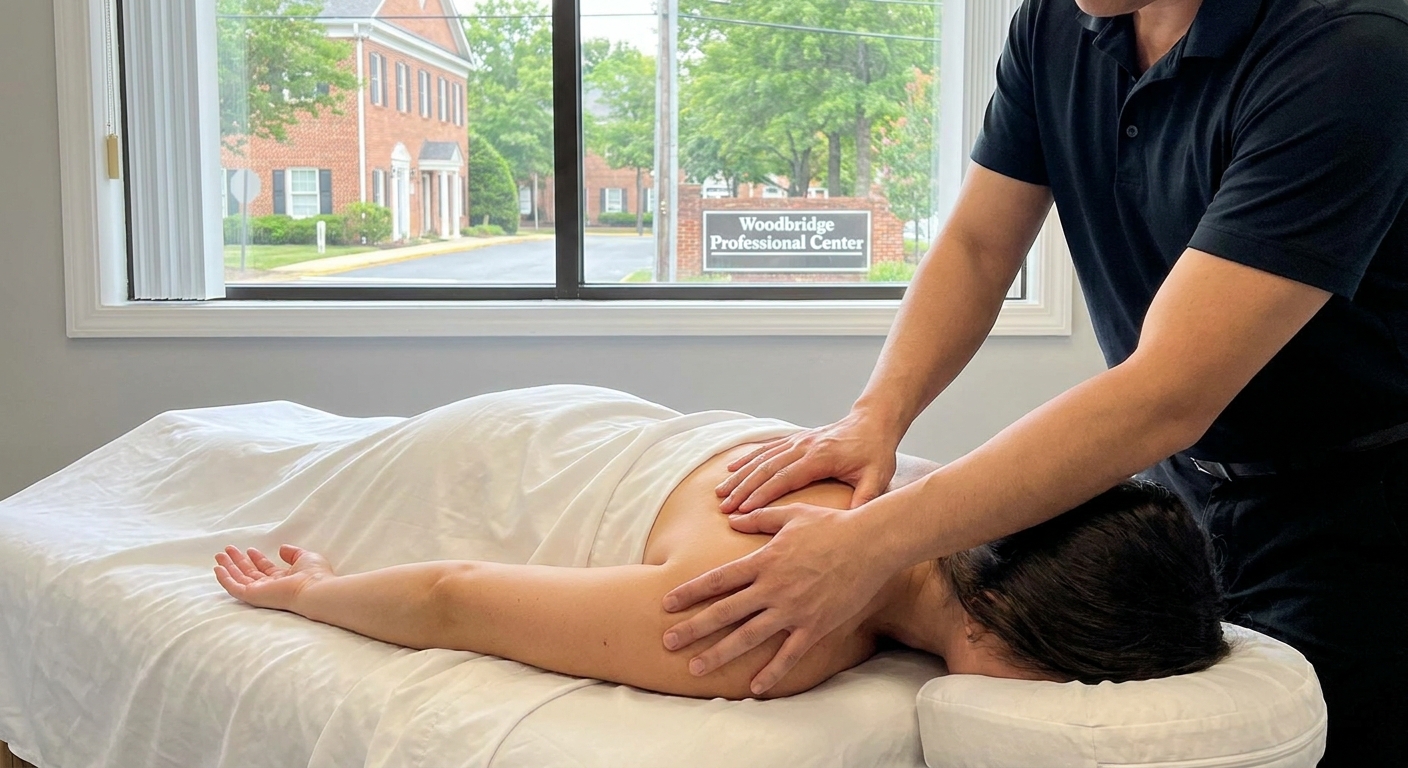
Can Massage in Woodbridge Help with Shoulder Tension?
September 15, 2026
-
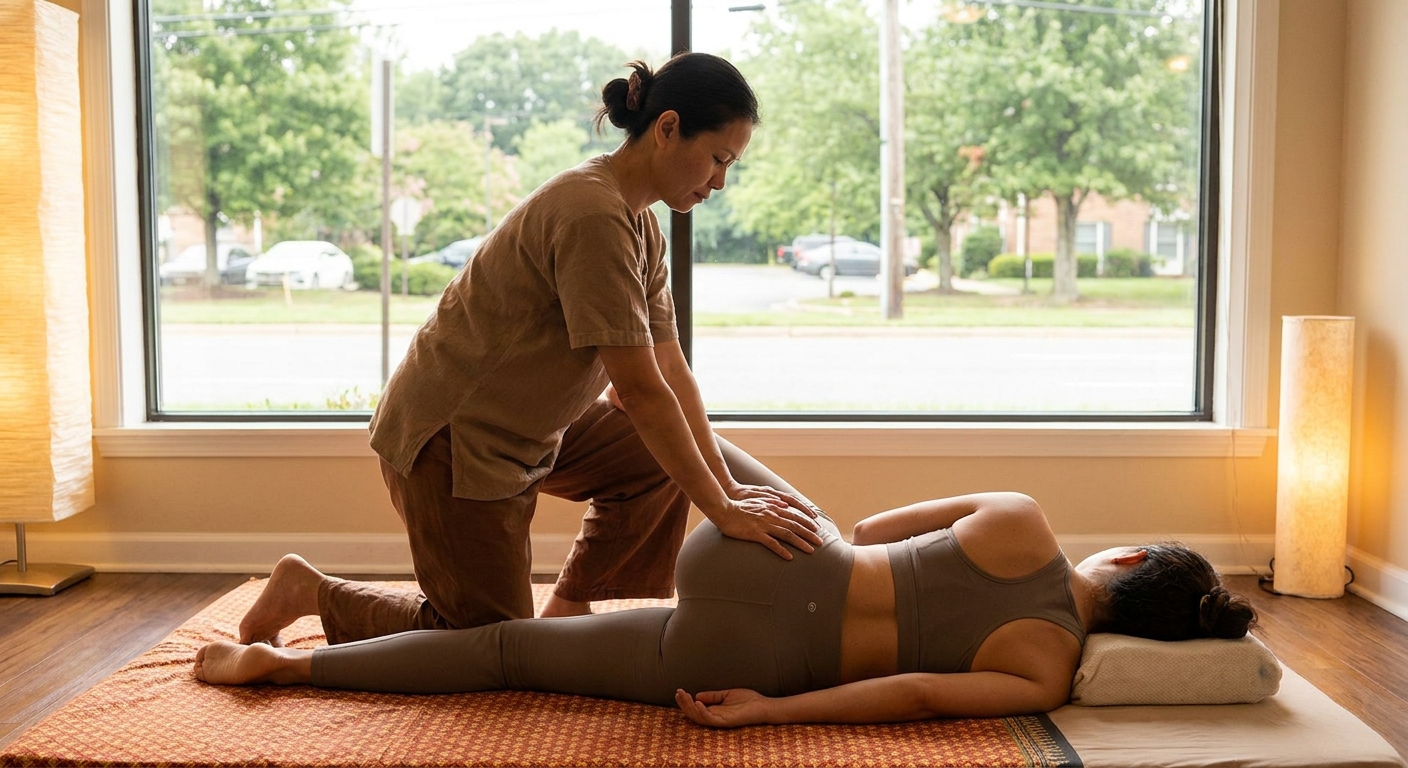
Are Tight Hips a Sign You Need Thai Massage?
September 1, 2026
-

Can Massage Therapy in Woodbridge Help with Frequent Headaches?
August 18, 2026
-

Can Massage in Woodbridge Help with Lower Back Tightness?
August 4, 2026
-


Site by